The Origins of Rhythm and Vines
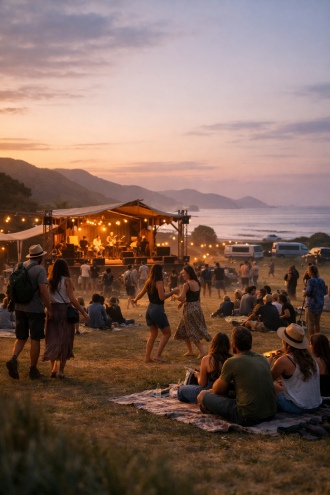
Rhythm and Vines was not born a huge commercial experience. Rather, it emerged from a principal sentiment, determined by friendship, location, and timing. Its path reflects big changes in how festivals work, as well as how audiences listen to music and develop participatory traditions, looser ones in time rather than delineated off on the inception.
By understanding in this way, the unique fabric of the event as against the appearance of things being heavily manipulated rather transpires. Those original decisions around setting, scale, and atmosphere built up an expectation around the event through the next few years.
From Local Gathering to National Event
Rhythm and Vines was founded in Gisborne by a small group of friends who wanted to create something meaningful rather than merely profitable. The early editions were modest, focused on bringing people together through shared music experiences rather than large-scale production. Attendance was limited, and the emphasis was on connection, not spectacle.
As word spread, the festival began attracting larger crowds from across the country. Growth was gradual rather than explosive, allowing organizers to adapt without losing the character of the event. This steady expansion helped Rhythm and Vines avoid the identity crisis that affects many festivals that scale too quickly. Instead of abandoning its roots, it carried them forward.
Choosing Gisborne as a Cultural Setting
Gisborne is geographically distant from New Zealand's largest cities, which initially seemed like a disadvantage. In practice, it became one of the festival's defining strengths. The journey itself became part of the experience, separating festival time from everyday life and creating a sense of temporary escape.
The region's natural landscape, open spaces, and slower pace contrasted with urban venues. This setting reinforced the idea that Rhythm and Vines was not just an event but a seasonal ritual. The choice of location shaped how people behaved, connected, and remembered their time there.
Early Identity and Creative Direction
From the beginning, the festival avoided strict genre boundaries. Electronic music, hip hop, and live bands shared space without hierarchy. This openness reflected the tastes of its founders and the diversity of the audience they hoped to attract.
Rather than chasing trends, the programming focused on creating a balanced atmosphere. Emerging artists were given space alongside more established acts. This approach built trust with attendees, who came to expect discovery rather than predictability. Over time, this curatorial philosophy became central to the festival's reputation.
Blending International and Local Artists
A defining feature of Rhythm and Vines is its balance between international acts and New Zealand artists. Global performers bring visibility and draw attention, while local musicians ground the festival in national culture. Neither group is treated as secondary.
This balance has helped expose international audiences to New Zealand talent while giving local artists access to large, engaged crowds. For many performers, playing Rhythm and Vines marks a milestone in their careers. The festival becomes a shared reference point between artists and audiences.
Genre Diversity and Audience Inclusion
The festival's programming reflects the reality that young audiences do not consume music in rigid categories. Electronic, hip hop, indie, and pop coexist without strict separation. This diversity encourages movement between stages and experiences rather than loyalty to a single sound.
By refusing to define itself by one genre, Rhythm and Vines avoids exclusion. Attendees are not required to fit a specific identity to belong. This openness mirrors broader shifts in youth culture, where fluidity and experimentation are valued over fixed labels.
Live Performance as Collective Experience
At Rhythm and Vines, live music is less about individual performance and more about shared energy. Crowds move together, respond together, and remember moments together. These collective experiences often become the most enduring memories of the festival.
The physical closeness of stages, campsites, and common areas reinforces this sense of shared participation. Music becomes a backdrop for social connection rather than a separate activity. This integration helps explain why attendees often return year after year.
A Rite of Passage for Young New Zealanders
For many attendees, Rhythm and Vines is their first major festival experience. Planning the trip, traveling with friends, and navigating the event all contribute to a sense of growing autonomy. These experiences carry emotional significance beyond the music itself.
The festival often coincides with the end of school, university terms, or early working years. This timing reinforces its role as a marker of transition. Stories from Rhythm and Vines become shared references within peer groups, strengthening social bonds.
Social Media and Shared Identity
Digital culture plays a significant role in how the festival is experienced and remembered. Photos, videos, and posts extend the event beyond its physical boundaries. For those attending, sharing content becomes part of the ritual.
This online presence also shapes expectations. Newcomers arrive with a sense of what the festival represents before they attend. While this can create pressure to perform, it also strengthens a shared identity that connects attendees across different years.
Expression, Freedom, and Temporary Community
The festival environment encourages forms of expression that may feel constrained in everyday life. Clothing, behavior, and social interaction become more fluid. This temporary suspension of norms allows attendees to explore different aspects of themselves.
At the same time, the sense of community remains strong. Unwritten rules around respect, care, and cooperation help maintain order without heavy enforcement. This balance between freedom and responsibility is central to the festival's appeal.
The Significance of Timing and Place
One of Rhythm and Vines' most distinctive features is its timing. Taking place over New Year's Eve, it aligns personal celebration with collective transition. This alignment gives the festival emotional weight that extends beyond entertainment.
The physical environment reinforces this significance. Place and time work together to create a sense of meaning that feels difficult to replicate elsewhere.
Welcoming the First Sunrise of the New Year
Gisborne is one of the first places in the world to see the New Year's sunrise. Rhythm and Vines has built this fact into its identity, turning a geographical detail into a symbolic moment. Watching the sun rise becomes a shared act of reflection and anticipation.
This moment often contrasts with the intensity of the night before. After hours of music and celebration, the quiet arrival of daylight provides space for pause. For many, this experience becomes the emotional center of the festival.
Seasonal Energy and Summer Atmosphere
The festival's placement in the middle of summer contributes to its relaxed yet vibrant atmosphere. Warm weather supports outdoor living, late nights, and communal spaces. These conditions shape how people interact and move through the event.
Summer also carries cultural associations with freedom and renewal. By aligning itself with these themes, Rhythm and Vines reinforces its role as a seasonal landmark rather than a standalone event.
Landscape as Part of the Experience
The surrounding vineyards, hills, and open skies are not merely backdrops. They influence how the festival feels and how people behave. Natural light, space, and fresh air soften the intensity of large crowds.
This connection to landscape differentiates Rhythm and Vines from urban festivals. It encourages slower moments alongside high-energy performances, creating a more balanced experience overall.
Economic and Cultural Impact
While the festival is primarily known for its cultural role, its economic impact on the region and the wider industry is significant. These effects are often overlooked in favor of more visible aspects like music and celebration.
Understanding this impact provides a fuller picture of why the festival continues to receive support from local communities and stakeholders.
Boosting Regional Tourism and Employment
Each year, Rhythm and Vines brings thousands of visitors to Gisborne. Accommodation, food services, transport, and local businesses benefit from this influx. For many, the festival represents a crucial period of seasonal income.
Temporary employment opportunities also increase, providing work for locals and students. These economic benefits help strengthen the relationship between the festival and the surrounding community.
Supporting the New Zealand Music Industry
By prioritizing local artists, the festival contributes to the sustainability of the national music scene. Performance fees, exposure, and networking opportunities all play a role in artist development.
The festival also influences industry standards around production, staging, and audience engagement. Its success demonstrates that locally rooted events can compete with international brands without sacrificing identity.
Cultural Export and International Recognition
As Rhythm and Vines has gained international attention, it has contributed to New Zealand's image as a destination for creative and cultural experiences. International attendees often combine the festival with broader travel, extending its influence.
This recognition supports the idea that festivals can function as cultural ambassadors. They communicate values, aesthetics, and social norms in ways that formal institutions often cannot.
More Than a Festival
In truth, Rhythm and Vines show that cultural elements and definitions can be rooted in non-formality. Through the intermingling of music, place, and timing, it has manifested as a quality reference entity on New Zealand's summer calendar of the collective memory.
Impressions do not come from its massive size nor the plenty of sights, but rather relationships and relationships that form during its practice. As long as it can continue to respect these core values, though, this festival will always be a part of the summer for many generations to come.